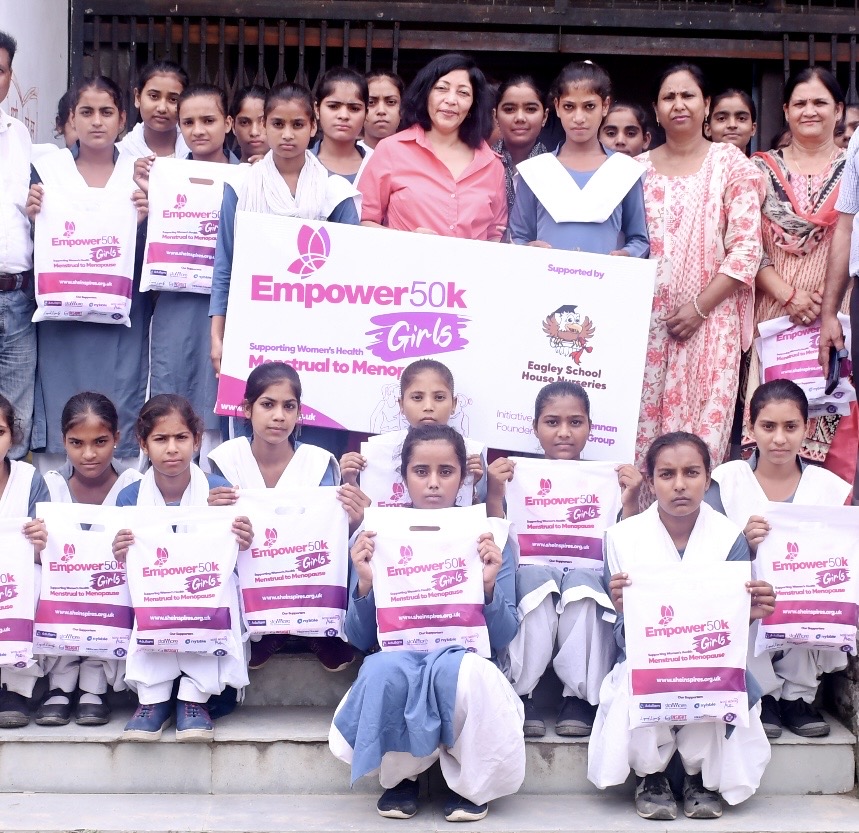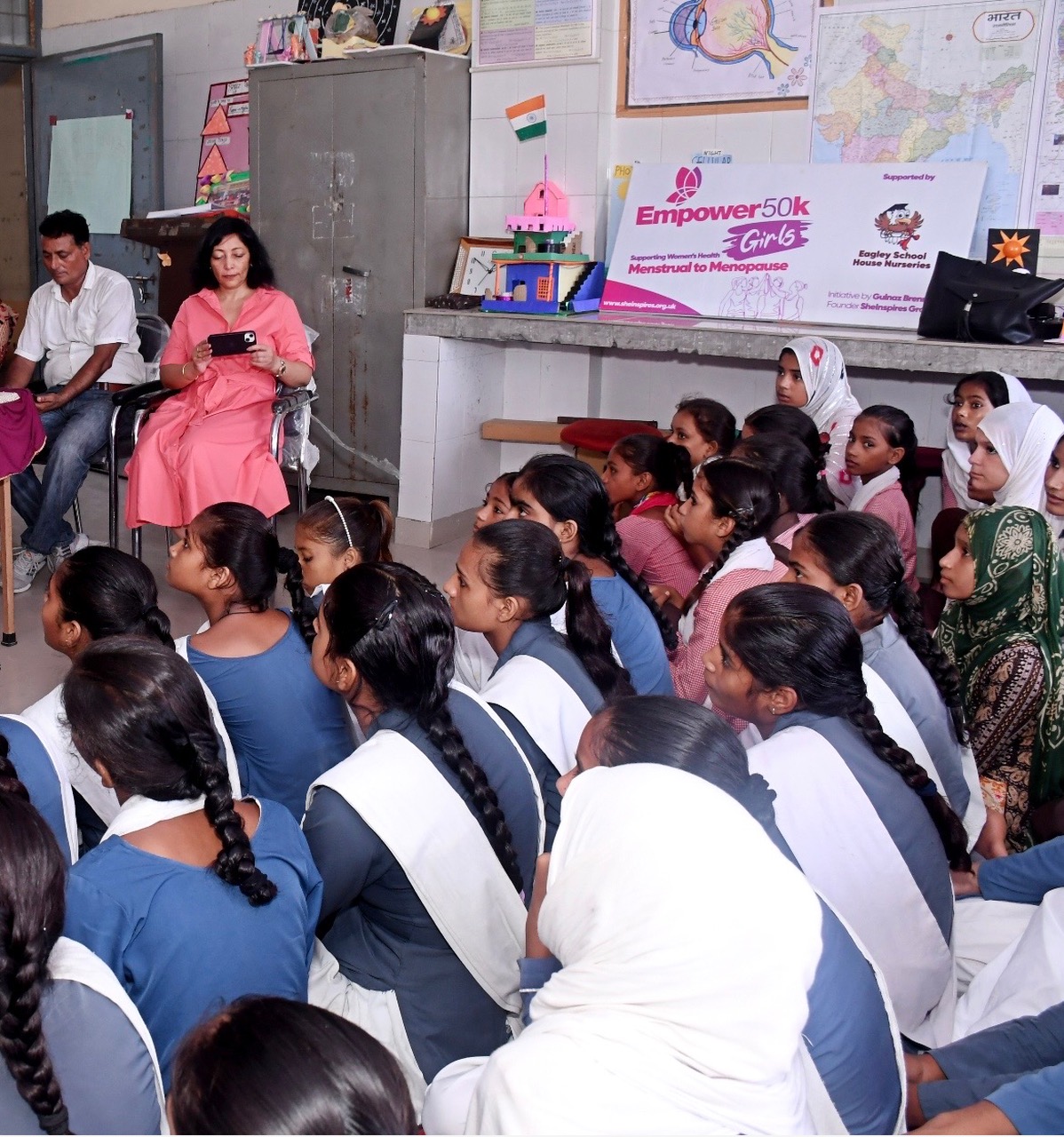
Once the first five champions stepped forward, the next question was simple: Where do we begin?
A pledge only becomes real when it meets real people, in real places, with real needs. And for Empower 50K, that meant going back to the roots — to communities where support is most needed, where knowledge can be life-changing, and where girls often grow up carrying silence instead of understanding.
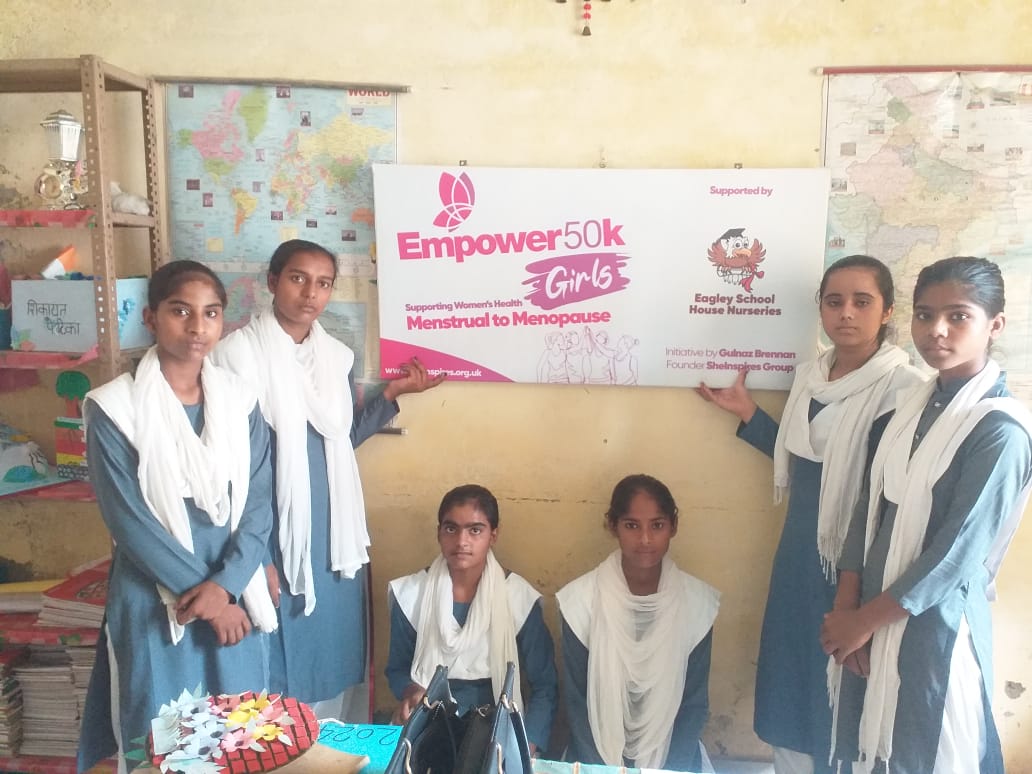
So Gulnaz travelled to India, determined not to delegate this stage to a distant organisation. Many suggested partnering with a large charity and “letting them handle it.” But that was never the point. The mission was never meant to be remote. It was meant to be felt — in classrooms, in conversations, in the eyes of girls hearing certain truths for the very first time. Gulnaz wanted to stand there herself, look those girls in the eyes, meet their teachers, hear their realities, and see the impact first-hand.
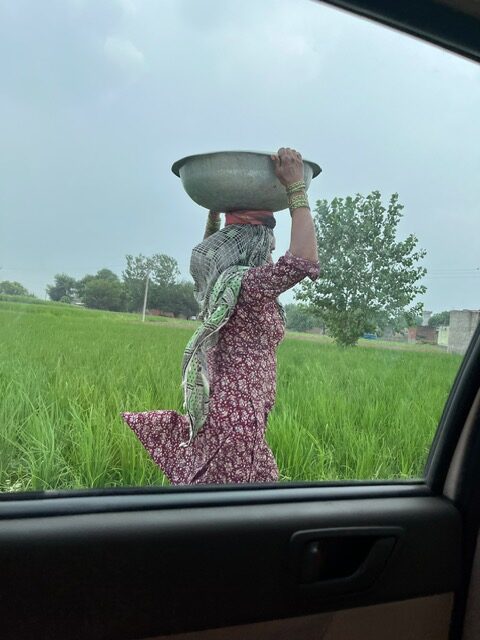
With the help of friends, cousins, neighbours, and the wider community, a small but committed ground team was formed. Branding, campaign assets, digital tools and stories were prepared; schools were identified in rural India; permissions granted; logistics mapped. And then came a key appointment: a local tutor, Gaurangi — a bright, hardworking college student with dreams of her own. Who better to lead the workshops than a young woman already carving her own path? She was trained in content, safeguarding, delivery, and confidence-building — becoming both a mentor and a symbol of empowerment herself.
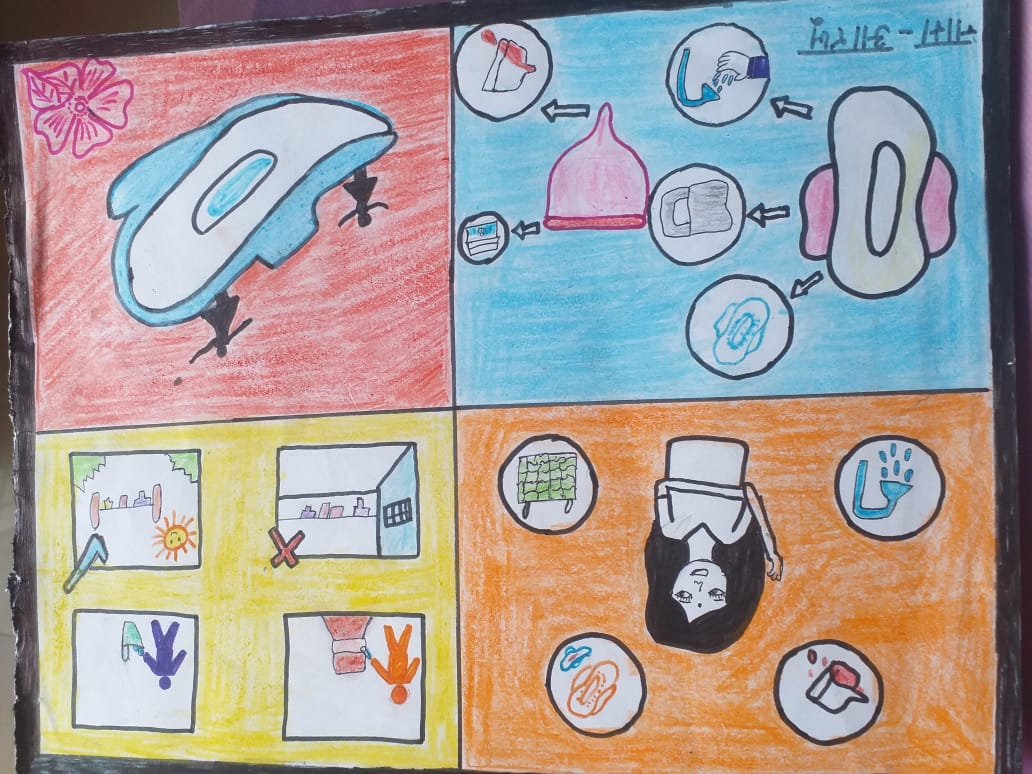
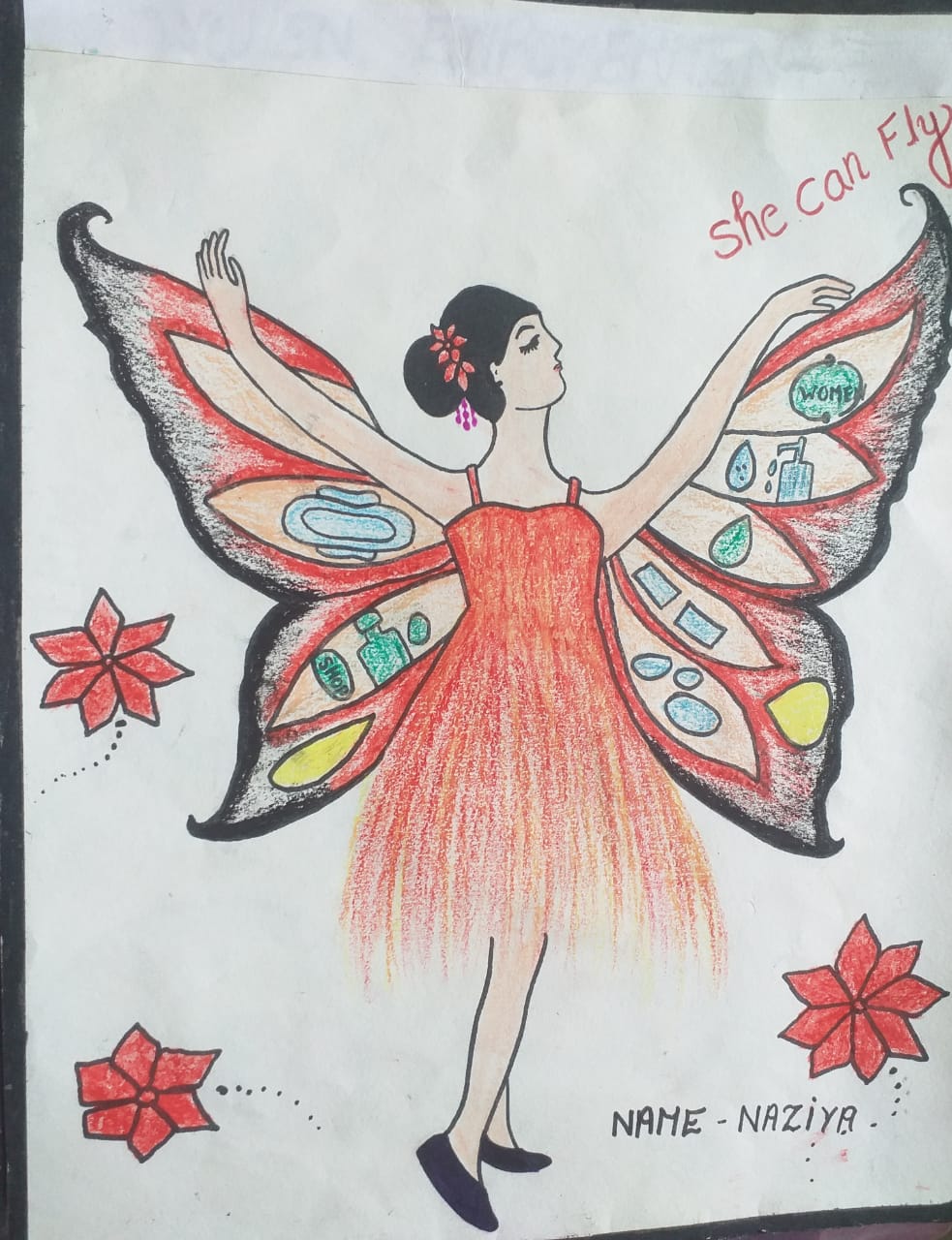
The first-year campaign focused solely on Health — from menstrual to menopause — because girls’ health remains one of the most neglected conversations. Taboos, shame, lack of resources, and cultural silence leave girls unprepared and uninformed. So the workshops were designed to break that silence with dignity and clarity.
But awareness alone was not enough. We wanted every girl to leave with something tangible. With limited funds, every item had to be carefully planned. The solution was well-being bags — thoughtfully assembled with sanitary pads, soap, shampoo, oil, deodorant, a bar of chocolate, and creamy biscuits. But during planning, one revelation stopped everyone cold: many girls didn’t even own underwear. It was painful, humbling, and galvanising. And so underwear became a non-negotiable part of the bag.
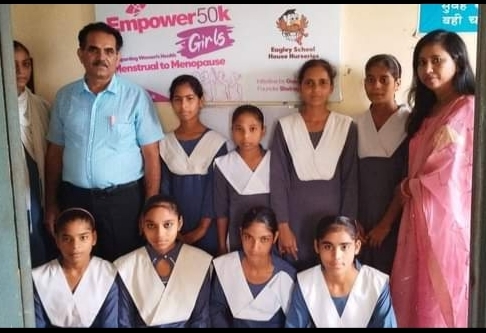
To manage resources responsibly, each school would receive 100 bags — 50 for the girls participating directly in the workshop, and 50 for staff and workers whose daughters and granddaughters would benefit. It honoured the extended community and ensured dignity was shared, not rationed.
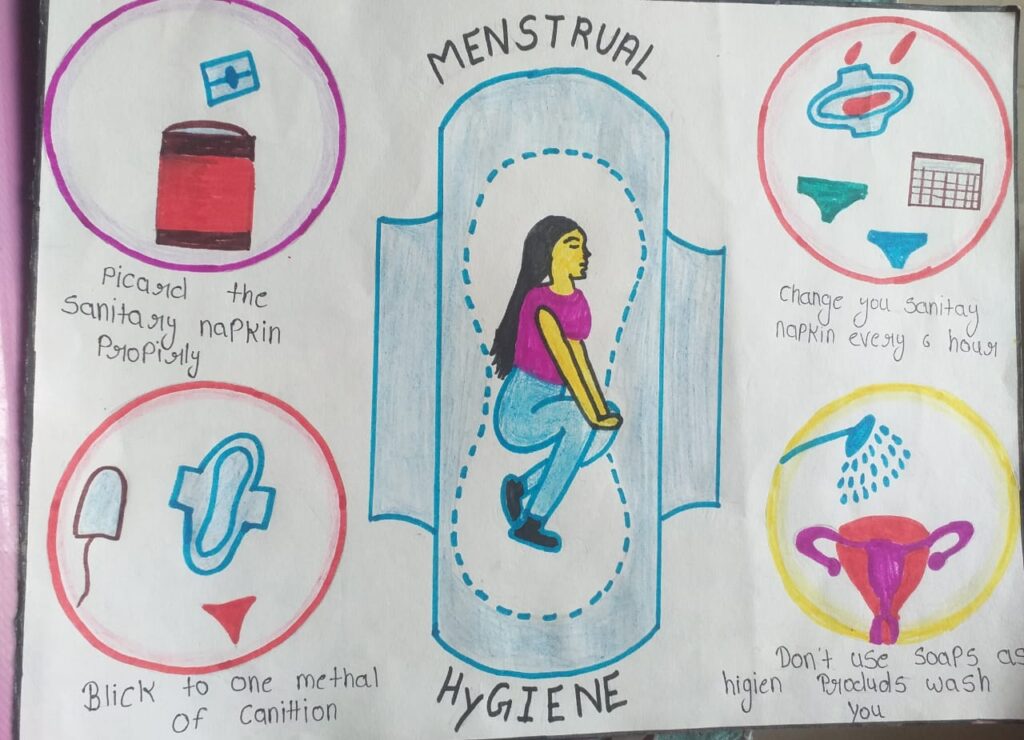
And then came the most powerful part of the model: the cascade.
Each of the 50 girls trained would become an Empower 50K Ambassador, tasked with teaching ten more girls — classmates, neighbours, cousins, or girls in their village. It ensured the learning didn’t end in the room; it travelled outward like ripples on water. This cascade model made the pledge measurable, scalable, and deeply community-led.
With a tutor, a photographer, a driver, a small support team, a van full of materials, and a mission carried in the hearts of many — Empower 50K began its first steps on the ground.
A pledge became real.